Should you buy all four tires or just two?
Whether to replace two or four tires depends on tread, drivetrain, tire matching, and condition. Learn the questions to ask before buying.
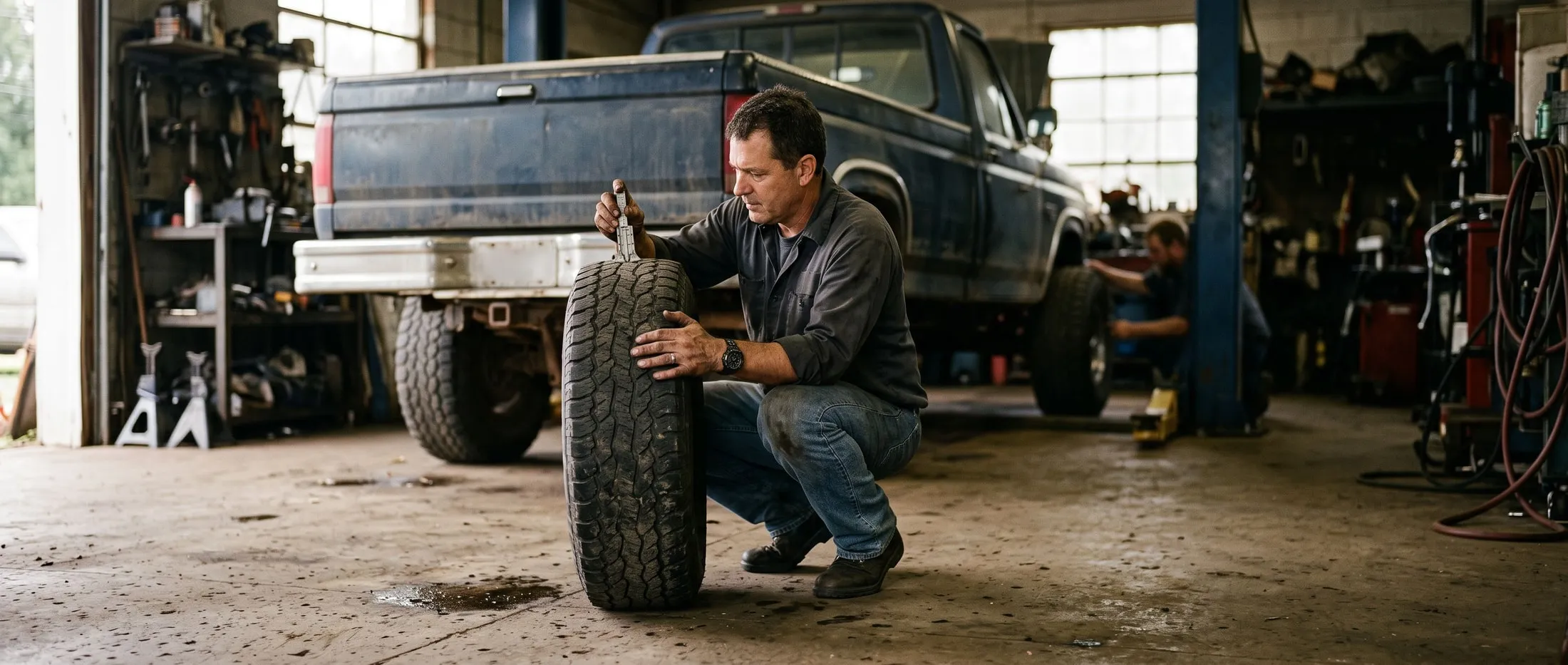
Whether to replace two tires or four depends on the vehicle, the condition of the remaining tires, and what caused the old tire to wear or fail. Buying a pair can be sensible when the other tires are genuinely close in age, specification, and usable tread. A full set may be the safer and more economical choice when there is a substantial difference in tread depth, damage, or an all-wheel-drive requirement. The price of the tire is only one part of the decision.
Start with real tread measurements
Ask for a measurement in several grooves across each remaining tire, including the inner shoulder that is easy to miss during a driveway glance. Record the result in thirty-seconds of an inch or millimeters, not just “looks okay.” Compare the size, load index, speed rating, construction, and date code as well. A tire with good center tread but a worn inner edge is not in the same condition as a tire that has worn evenly. A shop can also see whether a tire was previously repaired or has sidewall damage that makes it a poor candidate to keep.
The drivetrain changes the answer
For many front- or rear-wheel-drive cars, a matched pair can work when it meets the manufacturer’s specifications and is placed where the vehicle maker recommends. The owner’s manual is the authority for that particular model. All-wheel-drive and four-wheel-drive vehicles deserve more caution: a sizable difference in rolling circumference can keep the drivetrain working against itself. Some manufacturers set a maximum permitted tread-depth variation and may require four closely matched tires, or a professionally shaved replacement tire. Do not assume that an AWD badge means every model follows the same rule.
Choose a pair that is actually a pair
If replacing two, match the new tires to one another exactly. The remaining axle and the new axle should be evaluated for size and construction compatibility too. It is tempting to match only the numbers on the sidewall, but different tread designs and tire types can behave differently in rain and during braking. Ask the shop to explain the recommended position of the new pair and why. Modern tire-industry guidance commonly favors putting the tires with deeper tread on the rear for wet-road stability, but the vehicle manual and the condition of the tires remain important.
Correct the cause before it consumes new rubber
Uneven wear is evidence. Feathering can be connected to alignment angles or worn steering parts; cupping can point to suspension or balance concerns; one-sided shoulder wear may be inflation, alignment, or damaged-component related. A hard pothole strike, bent wheel, or tire that repeatedly loses air deserves attention before fresh tires are mounted. Replacing only the worn tires without checking the source can make the same pattern reappear and turn a two-tire purchase into a second purchase much sooner than expected.
Treat damage and low tread differently
A bulge, exposed cord, major cut, or rapid loss of air is a safety issue rather than an ordinary comparison-shopping decision. Use the vehicle’s spare according to its label and distance limitation, or arrange assistance. Tire sealant is not a universal answer; it can complicate later repair and TPMS service. For ordinary wear, leave with written tread readings, tire positions, and any alignment or suspension findings. Lloyd’s can inspect tire condition and alignment-related wear for Sandston, Highland Springs, Varina, Henrico, and Richmond drivers, then explain whether two or four is appropriate for the vehicle in front of us.
Budget for the complete tire decision
The mounted price should include the practical follow-through: balancing, valve service, disposal, and an alignment inspection when wear suggests one. Check warranty terms and whether the quoted tire is available in the required specification before assuming another brand is interchangeable. If the remaining tires are near the end of their usable life, buying four now can avoid a second mounting charge and preserve a matched set. If they have substantial even tread and the vehicle permits a pair, the documented measurements provide a sound reason to replace only two.
Ask about the tire’s age as well as its tread
Tread depth is not the only reason to retire a tire. Locate the DOT date code on the sidewall and consider visible cracking, prior repairs, and how long the vehicle has been parked. A little-used spare or an older tire with deep tread may not be the dependable match its appearance suggests. The owner manual, tire maker guidance, and a hands-on inspection should guide the decision, especially before relying on the remaining pair for wet-weather driving.