How long do brake pads actually last?
Brake pad life depends on driving, load, and conditions. Learn the signs of wear and how to plan a brake inspection before metal meets metal.
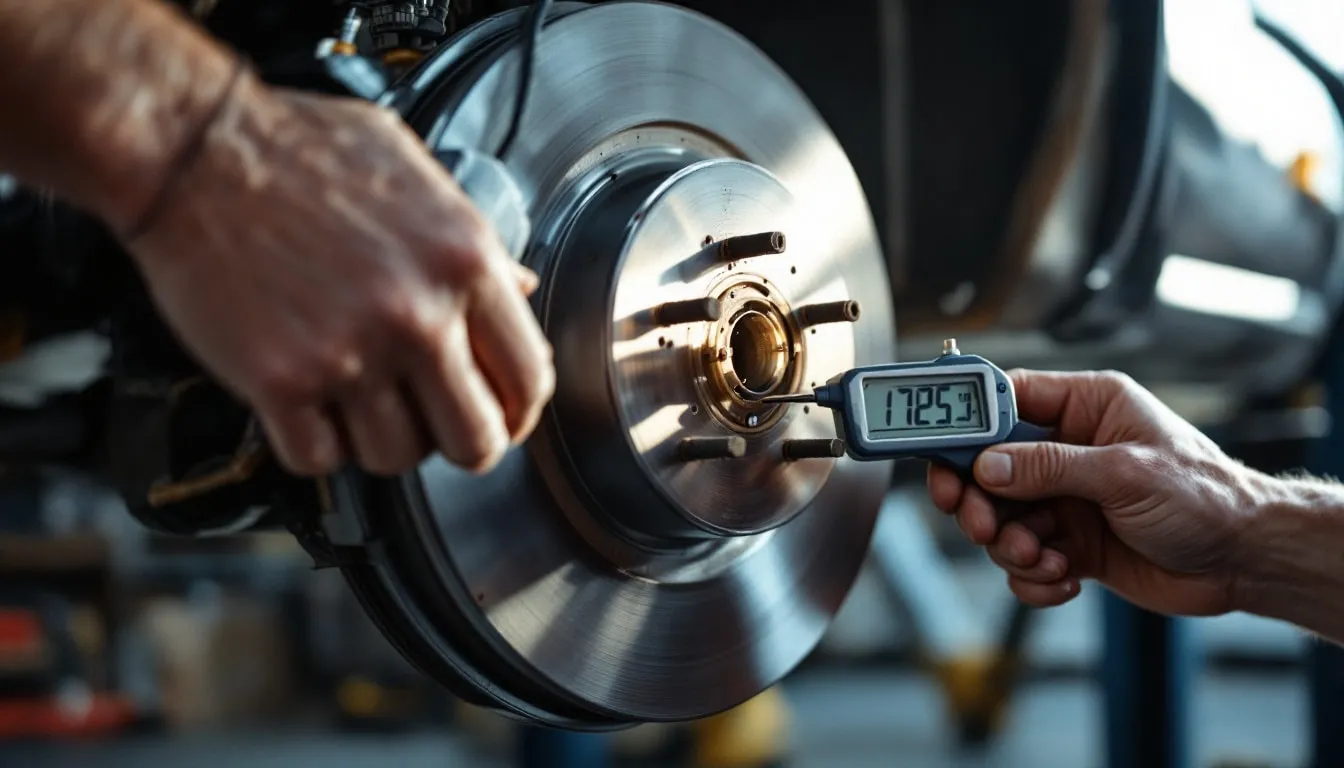
There is no reliable mileage number for every set of brake pads. A commuter who spends most of the day on open roads may wear pads differently from a driver who makes short trips, carries equipment, or repeatedly stops in Richmond traffic. The practical question is not whether a dashboard number has been reached. It is how much friction material remains, whether it is wearing evenly, and whether the brake system is behaving normally.
Read the sounds and pedal changes
Listen with the radio off during a few routine stops. A high-pitched sound can be a pad wear indicator, but a squeal can also come from dust, moisture, or hardware. Grinding, scraping that continues while driving, a pulse in the pedal, or a new vibration through the steering wheel should not be treated as ordinary pad noise. Note whether the sound occurs only on the first stop of the morning, only after the brakes warm up, or only while turning into a driveway.
Know what wears pads faster
Every stop turns motion into heat. Stop-and-go routes, steep grades, towing, frequent heavy loads, and riding the brake downhill all increase that heat. So can a brake component that does not release fully. Front and rear pads often wear at different rates, and some vehicles use the rear brakes for stability control or parking-brake functions. Keep service records so a technician can compare the current measurements with prior work instead of relying on a broad mileage rule.
Make a careful visual check
Look through the wheel openings only if the outside pad can be seen without reaching behind a hot wheel. Do not judge remaining pad life by the rotor’s shiny surface or by when the vehicle was purchased. Uneven pad thickness from side to side can indicate a sticking caliper, seized slide, or hardware problem. A visual impression is useful background for an inspection, not a substitute for measuring the friction material at every wheel.
Stop for these brake warnings
Pull over and seek help if the brake warning light comes on, the pedal suddenly goes much lower than normal, braking takes noticeably more distance, or the vehicle pulls hard during a stop. A hot smell from one wheel, smoke, or a wheel that is unusually hot after a short drive can indicate brake drag. Continuing to drive can damage more than pads and makes the vehicle harder to control. Avoid sprays or lubricants intended to quiet the noise.
What an inspection measures
A focused brake inspection measures the pad material at each wheel and compares inside and outside wear. It also examines rotor condition, caliper movement, slide hardware, brake hoses, fluid condition, and nearby leaks. Describe whether the concern is cold or warm, light or firm braking, forward or reverse, and whether it followed a pothole or recent tire work. Those details help separate a pad issue from a rotor, tire, steering, or suspension concern.
Plan work before metal contacts metal
Ask for the measured pad thickness, the condition of the rotors and hardware, and the reason for any uneven wear. If service can be monitored, ask what change should prompt an earlier return. If it needs prompt work, understand the safety reason and whether the vehicle should be driven. Lloyd’s can evaluate brake symptoms for drivers in Sandston, Highland Springs, Varina, Henrico, and Richmond. The goal is a vehicle-specific explanation, not a guess from mileage alone.
Preserve the baseline at every brake visit
A complete pad check gives the driver a baseline for the next decision. Ask whether inside and outside pads are wearing similarly, whether rotor thickness and surface condition were evaluated, and whether the caliper slides move freely. A rotor may look smooth and still have a condition a technician needs to measure. If a recommendation is made, ask whether it is tied to a current safety finding, expected wear, or an underlying component that is making one pad wear faster.
For day-to-day care, avoid holding the vehicle on a hill with the brake pedal for long periods when another safe option is available, and use lower gears as directed by the vehicle manual on sustained descents. These habits do not replace inspections, but they can reduce unnecessary heat. Most importantly, report a changed pedal, pull, vibration, grinding, or warning lamp promptly instead of waiting for the next oil service.
If you need this done